|
|
|
|
About Spider Plants §
Spider Plant Care - ©Happy
Houseplants |
|
| . |
About Spider Plants:- |
|
| . |
|
|
| . |
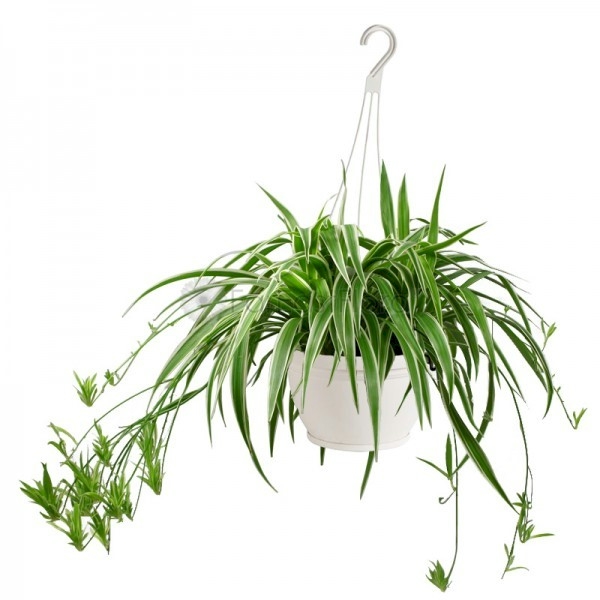
Chlorophytum comosum is native to tropical and Southern Africa.
Commonly known as the Spider Plant or Hen-and-Chics, it is a popular and
resilient houseplant known for its cascading foliage and air-purifying
qualities.
Wikipedia -
Chlorophytum comosum |
|
| . |
|
|
| . |
|
|
| . |
|
|
| . |
Spider Plant Care:- |
|
| . |
|
|
| . |
Light: |
|
| . |
Spider Plants prefer bright, indirect light. Place your
plant near a window with filtered sunlight, where it can receive several
hours of gentle morning or afternoon sun. They can tolerate lower light
conditions but may not exhibit as much growth or variegation. Avoid
exposing them to direct sunlight, as it can scorch the leaves. |
|
| . |
|
|
| . |
Temperature and Humidity: |
|
| . |
Maintain a moderate room temperature between 18°C and 24°C (65°F and 75°F) for your Spider Plant. They can adapt to various humidity levels but prefer average indoor humidity. Increase humidity by misting the leaves occasionally or placing a tray of water near the plant. |
|
| . |
|
|
| . |
Watering:- |
|
| . |
Water your Spider Plant moderately, allowing the top inch of soil to dry out between waterings. They are forgiving when watering, but avoiding overwatering is best. Stick your finger into the ground to check its moisture level, and water only when it feels slightly dry. Adjust the watering frequency based on the season and environmental conditions. |
|
| . |
|
|
| . |
Nutrition:- |
|
| . |
Feed your Spider Plant with a balanced, water-soluble fertiliser diluted to half the recommended strength. Apply the fertiliser every two months during the growing season (spring and summer). Reduce fertilisation in the winter when the plant's growth slows down. Follow the instructions on the fertiliser packaging for proper dilution and application. |
|
| . |
|
|
|
Soil and Potting:- |
|
|
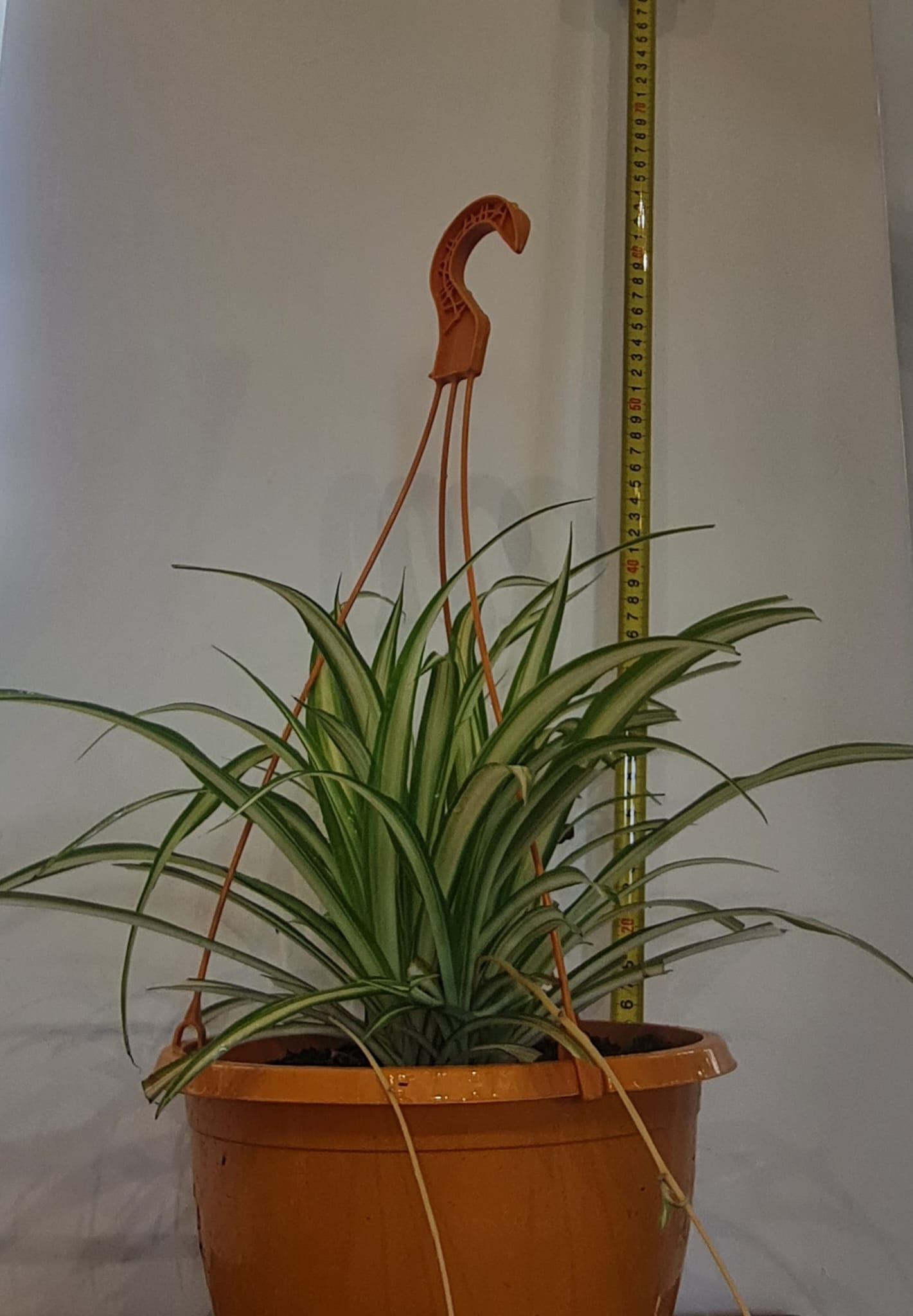
Spider Plants prefer well-draining soil. Use a high-quality, well-aerated potting mix that retains moisture without becoming waterlogged. Adding perlite or coarse sand to the soil mix can improve drainage. Repot your Spider Plant every two years or when it outgrows its current container. |
|
|
|
|
|
Propagation:- |
|
|
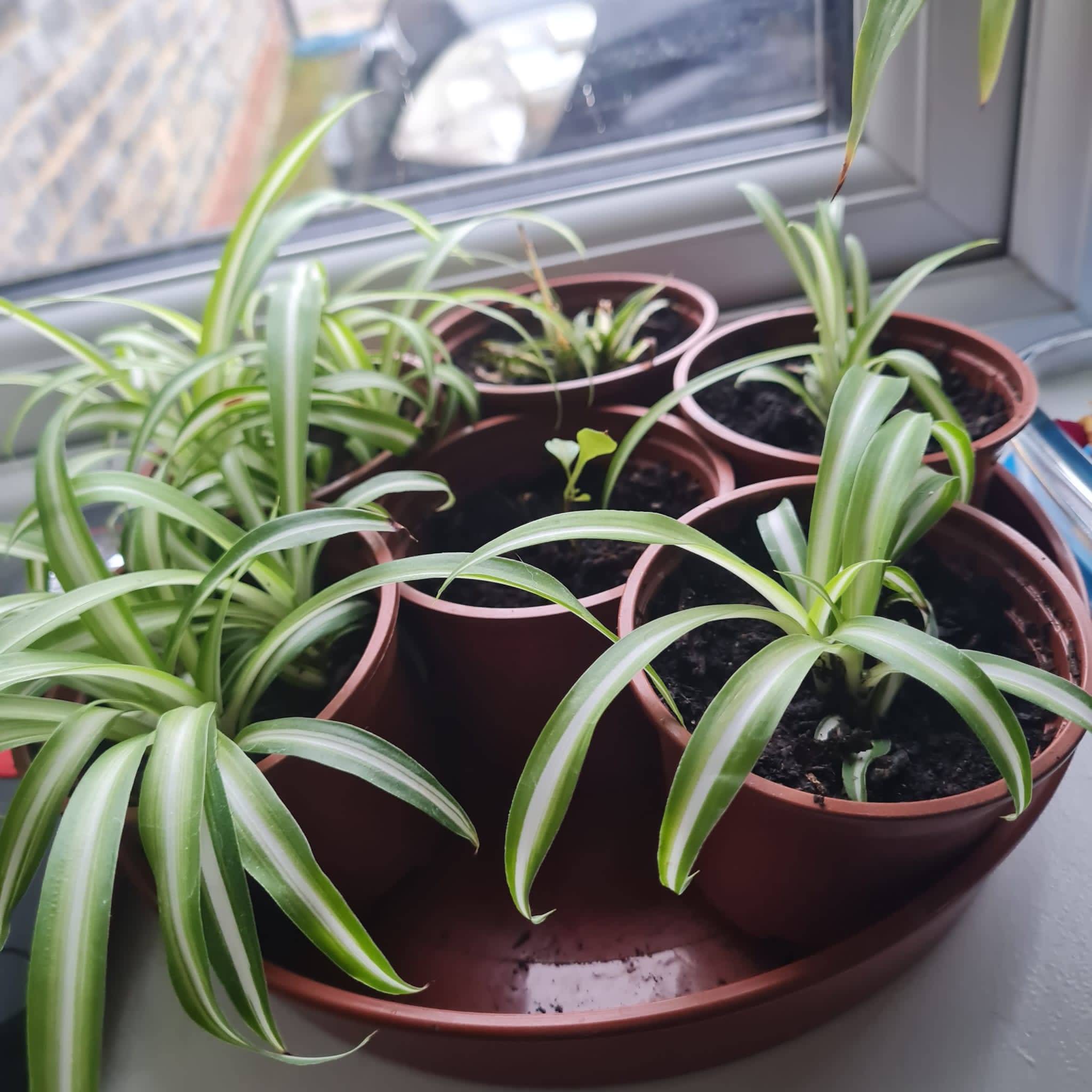
pider Plants are easy to propagate. They produce long, trailing stems with small plantlets at the ends. These plantlets can be carefully detached and potted in moist soil or placed in water until they develop roots. Alternatively, you can propagate them from stem cuttings. |
|
|
|
|
|
Pruning:- |
|
|
Pruning is not typically necessary for Spider Plants, but you can trim back any yellowing or brown leaves or remove spent flowers. Regularly remove any dead or discoloured foliage to maintain the plant's appearance. |
|
|
|
|
|
Toxicity and effects on pets:- |
|
|
Spider plants are non-toxic to humans and pets, and are considered edible |
|
|
|
|
|
Trouble shooting:- |
|
|
Brown tips:- Maybe too much direct sunlight
or lack of foliage moisture. Solution:- Move
away from midday sunlight, spray foliage once per week in warm seasons.
Can also be caused by too much fluoride in the water. |
|
|
|
|
|
Brown foliage:- Overwatering or cold. Refer
temperature & watering above. |
|
|
|
|
|
Yellowing leaves:- Overwatering or cold.
Refer temperature & watering above. |
|
|
|
|
|
Pest control:- Spider Plants are generally resistant to pests and diseases. However, watch for common houseplant pests such as mealybugs or spider mites. |
|
|
|
|